

Economy




World News
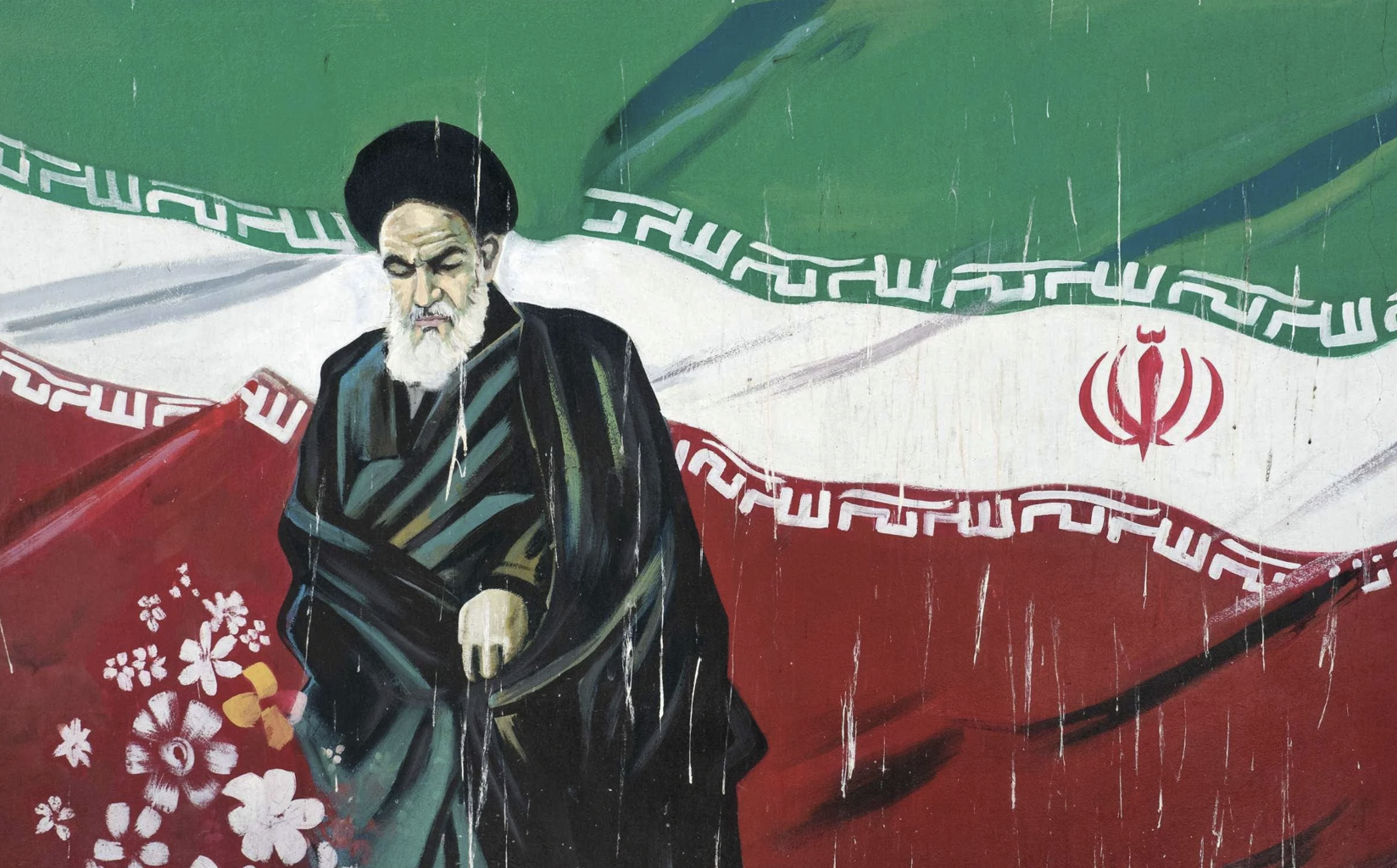
Iran’s Economy Nears Collapse Amid Brutal 62% Inflation Surge
Quick Summary
Iran’s economy is nearing collapse as President Trump vowed economic warfare and isolation on an unprecedented scale against the country this week, declaring the regime is hanging by a thread as the currency hit a record low and inflation soared past 60%. Treasury Secretary Scott Bessent unveiled what officials are calling an economic D-Day initiative aimed at severing every remaining financial lifeline sustaining the Iranian government, following the collapse of ceasefire talks earlier this month. An Iranian economist pushed back against the American characterization, arguing the mounting pressure is strengthening, not weakening, the regime’s grip.
What Happened
Bessent announced what he described as the single greatest financial offensive ever launched against Iran, framing it as a potential trigger for the endgame of the broader conflict in the Middle East. In a statement from the Treasury Department, Bessent said the objective was to sever every economic lifeline sustaining what he called a tyrannical regime until Tehran stands alone, adding that Iran had been at war with America, its Gulf neighbors, and much of the world for 47 years.
Trump separately warned that any country offering Iran an economic lifeline would face tremendous economic consequences of its own, naming oil smuggling, currency swap lines, cash transfers, exchange houses, ship registries, and front companies as channels he wants shut down immediately. The warning appeared to have an immediate effect regionally: officials indicated the United Arab Emirates, described as one of Iran’s main financial gateways, moved to rupture its economic and financial ties with Tehran, a shift one Iranian economist said would pressure the exchange rate, raise trade costs, and worsen inflation over the following two quarters.
Background
Iran’s economy has been under sustained strain since the current war* began in late February, with the World Bank estimating the country’s gross domestic product contracted by 2.7% in the year ending in March, citing disruption from both widespread protests the previous year and intensified regional hostilities. Inflation surged to 62.2% in February, with food price inflation reaching a historic high of 99%, according to World Bank figures, while an Iranian official told reporters the war has cost the country roughly one million jobs.
The pressure campaign builds on an effort the Trump administration has waged since April, which officials have described internally as targeting the regime’s global terror financing and broader revenue streams. Iran’s currency has weakened dramatically over the course of the conflict, and officials in Tehran have acknowledged the strain directly: the governor of Iran’s central bank said in a televised interview that oil exports have almost stopped entirely, though he maintained the country’s financial planning remained solid enough to preserve some sources of foreign currency, while suggesting some oil wells could eventually go idle as revenue continues to decline.
The economic deterioration is increasingly being felt across Iranian households and businesses, with rising prices eroding purchasing power and putting additional pressure on already strained living standards. The combination of falling oil revenues, a weakened currency and disrupted trade has made it more difficult for the government to stabilize prices and maintain access to foreign currency. Economists have warned that prolonged disruptions could deepen shortages, increase unemployment and further undermine confidence in the rial, creating a cycle in which higher import costs fuel even greater inflation. With the conflict continuing to place pressure on Iran’s key sources of revenue, the country’s ability to absorb further economic shocks is becoming increasingly limited
Why It Matters
The scale of the pressure campaign represents one of the most aggressive economic strategies the U.S. has deployed against Iran to date, explicitly designed as an alternative or complement to continued military conflict. By threatening consequences against third-party nations that maintain financial ties with Iran, rather than sanctioning Iran alone, the administration is attempting to isolate the country from the broader global financial system it still depends on for oil revenue and currency stability.
Not everyone agrees the strategy is working as intended. An economist who previously advised Iran’s central bank pushed back directly against Trump’s characterization, arguing that the economic and political squeeze is strengthening the regime Washington is trying to weaken, while simultaneously reducing the prospects for a negotiated deal. That assessment suggests the sanctions campaign, even if it succeeds in inflicting severe economic pain, may not translate cleanly into the kind of political capitulation or regime change some U.S. officials appear to be anticipating.
Statistics & Context
- Iran’s GDP contraction for the year ending March 2026, per the World Bank: 2.7%
- Inflation rate in Iran as of February 2026: 62.2%
- Food price inflation, a historic high: 99%
- Estimated jobs lost in Iran due to the war, per an Iranian official: approximately 1 million
- Months the current pressure campaign, dubbed Operation Economic Fury, has been underway: since April 2026
- Description of the newly announced sanctions push: “Economic D-Day”
What’s Next
The Trump administration is expected to continue pressuring third-party nations, particularly regional financial hubs like the UAE, to sever remaining commercial and banking ties with Iran in the weeks ahead. Whether the campaign succeeds in forcing Tehran back to the negotiating table, or instead hardens the regime’s resistance as some economists warn, remains one of the central open questions shaping the next phase of the broader U.S.-Iran conflict. Continued monitoring of Iran’s currency value, inflation rate, and oil export levels is likely to serve as the clearest real-time indicator of how effectively the new sanctions campaign is functioning.
FAQ
What is “Economic D-Day”?
The name Treasury Secretary Scott Bessent gave to a new, intensified sanctions campaign aimed at cutting off Iran’s remaining global financial and trade connections.
How bad is Iran’s economy right now?
Iran’s GDP contracted 2.7% in the year ending March 2026, inflation hit 62.2% in February, food inflation reached 99%, and the country has reportedly lost around 1 million jobs due to the war.
Is this sanctions campaign working?
Accounts differ. U.S. officials describe the regime as nearing collapse, while an Iranian economist argues the pressure is actually strengthening the government’s grip and reducing the odds of a negotiated deal.
What role does the UAE play in this story?
The UAE has functioned as one of Iran’s main financial gateways, and officials indicate it has moved to rupture its economic and financial ties with Tehran under U.S. pressure.
Is this connected to the broader US-Iran war?
Yes. The sanctions push follows the collapse of ceasefire talks and is framed by U.S. officials as either an alternative to continued military conflict or a way to hasten its conclusion.
Editorial Note: This article was prepared using publicly available information from a U.S. Treasury Department statement and news organizations available at the time of publication. Some claims about Iran’s internal economic and political conditions come from officials with a direct stake in the outcome of the conflict and could not be independently verified in full.
Sources:
Curent War*
World News – US Strikes 140 Targets in Iran as Tehran Fires Back at Qatar, Bahrain, Oman
CNBC: Trump says Irans economy is collapsing. A former central bank adviser in Tehran pushes back
Israel Hayom: Irans economy is collapsing
Breitbart: Irans Currency Hits Record Low as US Rolls Out Economic D-Day Sanctions

Trump
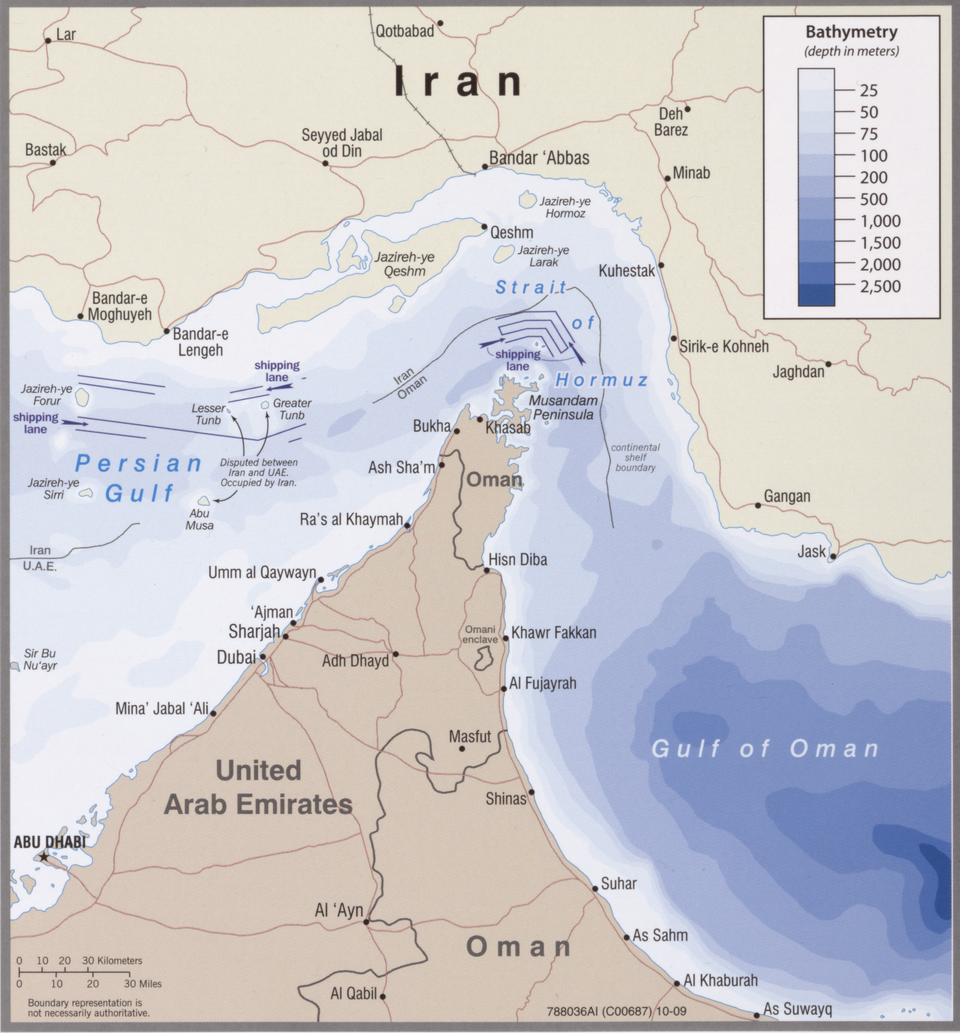
Trump Posts Map Labeling Strait of Hormuz “New U.S. Territory,” Doubling Down on Annexation Threat
Quick Summary
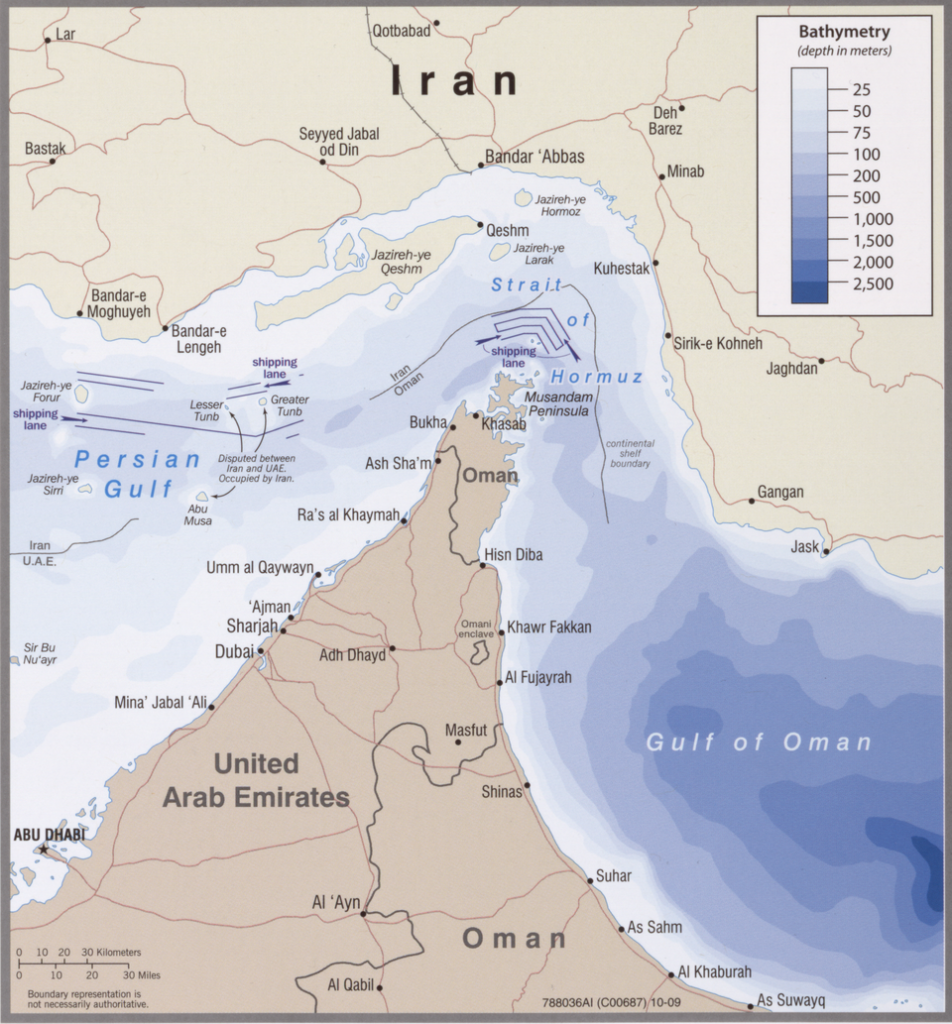
President Trump posted a map on Truth Social Tuesday showing the Strait of Hormuz circled and labeled “New U.S. Territory,” escalating a claim he first floated on Friday and has now repeated three times in four days. The waterway, through which roughly one-fifth of the world’s oil typically transits, runs entirely through territorial waters belonging to Iran and Oman under international law, meaning the U.S. has no recognized legal basis for the claim. Iran’s Deputy Foreign Minister, Kazem Gharibabadi, dismissed the post within hours, writing that the strait “has been Iranian, is Iranian, and will remain Iranian,” and that it “cannot be seized by tweet.” Trump’s post came hours after Iranian officials said the strait would remain closed until the U.S. lifted its naval blockade and sanctions, and two hours later, Trump posted separately that no talks with Iran were currently scheduled, insisting the strait was already “open and operating.”
What Happened
Trump shared the map early Tuesday morning without additional commentary, according to ABC News affiliate coverage. The image showed a portion of the Middle East with a large circle drawn around the Strait of Hormuz and the words “New U.S. Territory” printed across it. He first raised the idea Friday, addressing a mostly law-enforcement audience in Garden City, New York: “After we finish defeating Iran, which is being very badly defeated, pretty soon I’ll be declaring the Hormuz Strait a territory of the United States.” He repeated it Monday when reporters asked him at the White House, saying, “We control it with the blockade, and I like the idea of declaring it a territory.”
Iran’s response was swift and dismissive. Gharibabadi, posting on X, said the strait “will only be closed and opened under Iran’s command,” and added that as long as the U.S. does “not accept the reality of defeat,” Iran would continue enforcing its blockade of the waterway. Iranian officials separately said Tuesday the strait would stay closed until the U.S. met several conditions: lifting its naval blockade of Iranian ports, releasing frozen Iranian assets, removing oil sanctions, and ending military operations “on all fronts,” according to remarks from parliamentary speaker Mohammad Bagher Ghalibaf reported by Forbes.
About two hours after the map post, Trump published a follow-up on Truth Social insisting there were “no talks or conversations going on, or scheduled, with the Islamic Republic of Iran,” and claiming the Naval Blockade “remains in full force and effect” while the strait itself was “open and operating,” with “all water mines removed or detonated.” That claim could not be independently verified, and it directly conflicts with Iran’s own statement, issued the same day, that the strait remains closed.
Background
The Strait of Hormuz separates Iran from Oman and the United Arab Emirates and functions as one of the most strategically important shipping lanes in the world. Roughly 20 percent of global oil consumption typically moves through it, according to reporting from The Hill. Since the current US-Israel-Iran war began in February, Iran has restricted commercial transit through the waterway, while the U.S. has maintained its own naval blockade against Iranian ports, creating a prolonged standoff that has disrupted global shipping and pushed up energy prices.
The claim arrives as the war approaches its sixth month with no resolution. A 60-day window for a broader U.S.-Iran peace deal, set under a memorandum of understanding signed in June, expired Monday without an agreement, and Iran’s Foreign Ministry has said it would shift to a “fully offensive” military posture following what it described as repeated U.S. violations of the agreement’s terms.
Under international maritime law, sovereignty over the strait is not genuinely in dispute: it lies within the territorial waters of Iran and Oman, and no established legal mechanism would allow the United States to unilaterally declare it American territory. Neither the White House nor the State Department has offered a legal framework for how such a declaration would be implemented or enforced.
Why It Matters
A sitting U.S. president publicly claiming sovereignty over a strategic international waterway, even informally through a social media post, is a significant departure from standard diplomatic practice, regardless of whether the claim is ever formalized. The gap between Trump’s assertion that the strait is “open and operating” and Iran’s same-day statement that it remains closed also underscores how difficult it is for outside observers to determine the waterway’s actual status at any given moment, since both governments have strong incentives to describe the situation favorably.
Analysis: What It Means
Trump has now repeated the “new U.S. territory” claim three times in four days, moving from a joking aside at a police event to a formal-looking map posted without further comment. That repetition suggests the statement functions as leverage in the standoff over Hormuz rather than an announcement of imminent legal or military action, since no legal or diplomatic process supporting an actual annexation has been described. Iran’s dismissive response indicates Tehran does not currently view the statement as requiring a substantive countermeasure beyond rhetoric. Whether the claim escalates into something more concrete is not indicated by anything said so far.
Statistics & Context
- Share of global oil that typically transits the Strait of Hormuz: approximately 20%
- Number of times Trump has raised the claim publicly since Friday: 3
- Length of the now-expired US-Iran negotiation window: 60 days
- Length of the ongoing US-Israel-Iran war as of this week: approaching 6 months
What’s Next
Iranian officials have said broader U.S.-Iran talks will not resume until Iran and Oman first finalize their own arrangement for passage through the strait, with Qatar’s Foreign Ministry offering to mediate. Whether Trump’s claim translates into any formal U.S. action remains unstated by the administration. Actual shipping activity through the strait, rather than dueling public statements, will be the clearest indicator of the waterway’s real status going forward.
FAQ
Does the U.S. actually control the Strait of Hormuz?
No. Under international law, the strait lies within the territorial waters of Iran and Oman.
Has Trump made this claim before?
Yes, three times since Friday, first at an event in New York, then to reporters at the White House, then in Tuesday’s Truth Social post.
How did Iran respond?
Iran’s Deputy Foreign Minister called the claim a “delusion” and said the strait “cannot be seized by tweet,” while separately stating it will remain closed until the U.S. meets several conditions.
Is the Strait of Hormuz actually open right now?
Accounts conflict. Trump said Tuesday it was “open and operating”; Iran said the same day it remains closed. Neither claim has been independently verified.
Editorial Note: This article is based on reporting from KLTV (ABC/CNN Newsource), Forbes, The Hill, Mediaite, and Democracy Now, as available at the time of publication. Statements from the Trump administration and Iranian officials have not been independently verified and are presented as attributed claims throughout.
Sources:
KLTV (ABC/CNN Newsource) – Trump Doubles Down on Threat to Claim the Strait of Hormuz
Forbes -Trump Labels Strait of Hormuz Map “New U.S. Territory”
The Hill – Trump Posts Map Labeling Strait of Hormuz as a New U.S. Territory
Mediaite – Trump Truth Says Strait of Hormuz Is “NEW U.S. Territory”